AI Illustrations in the MarineDex: What They Can and Can't Do
Why our animal images are labeled and aren't suitable for identification.
 AI illustration
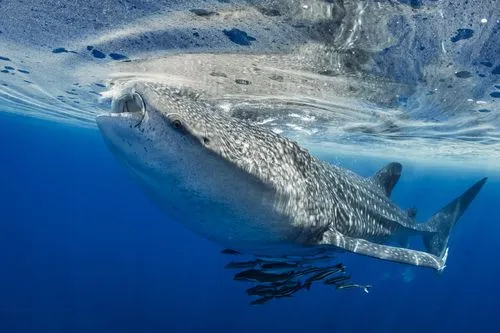
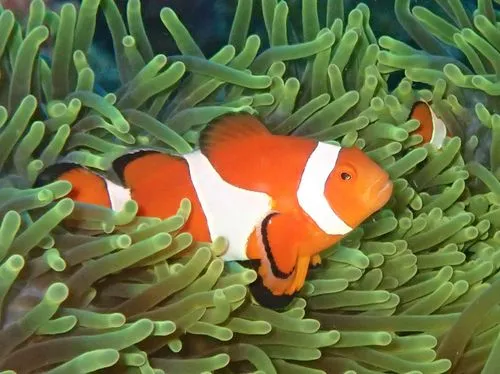
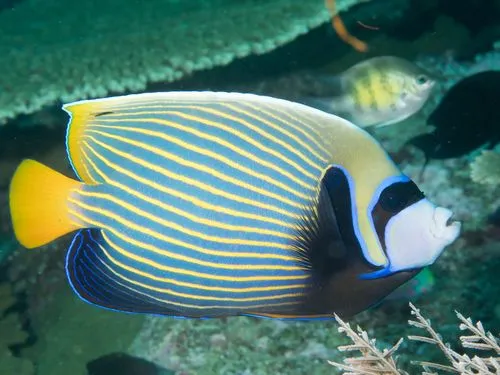
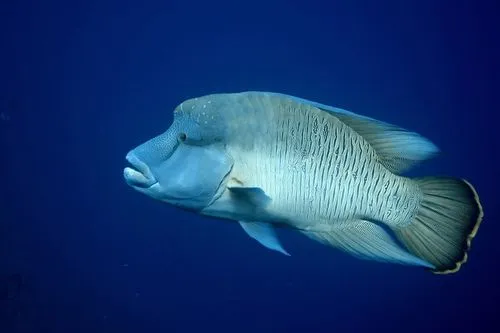
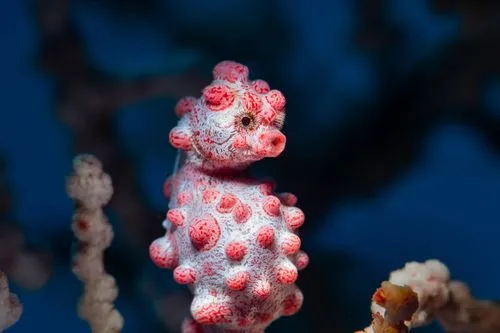
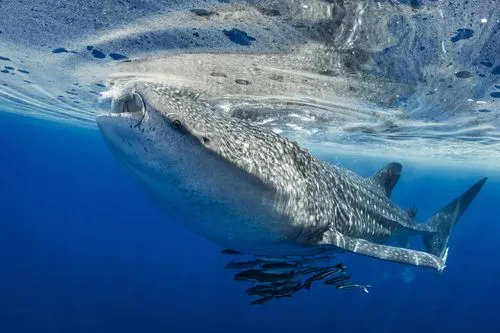
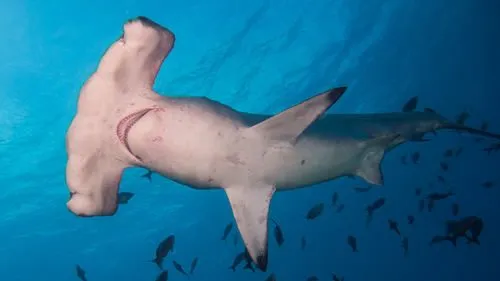
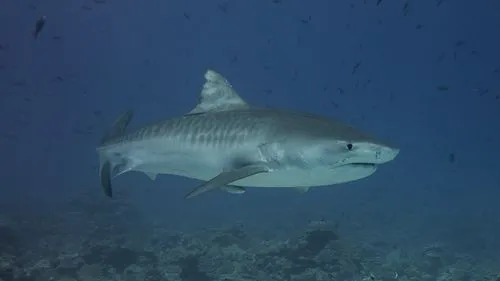
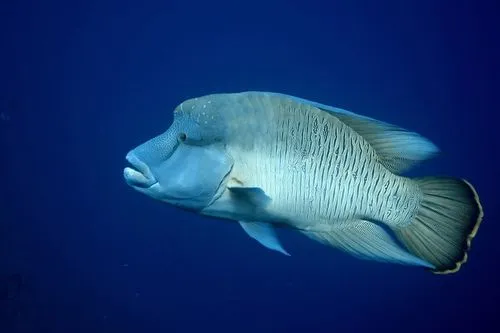
Every species in the MarineDex has an image – from the clownfish to the whale shark. These images are not photos. They are illustrations created with artificial intelligence. And because that isn’t always obvious, they carry a label everywhere: “AI illustration”. In the app, on this website and also above this article.
What the Images Are For
The illustrations have a clear job: they show you which animal is meant, and they turn 425 species into an album that feels like it was made in one piece. Unseen species lie behind frost, discovered ones reveal themselves – that only works if every species has an image.
They give an impression of shape, color and form. For the question “Roughly which fish was that?” they are helpful. For the question “Exactly which species was that?” they are not.
Why They Aren’t Suitable for Identification
An AI illustration shows how an animal typically looks – not how a specific animal looks. And it can get details wrong: the number of fin rays, a spot pattern, the shape of the tail fin, the proportions.
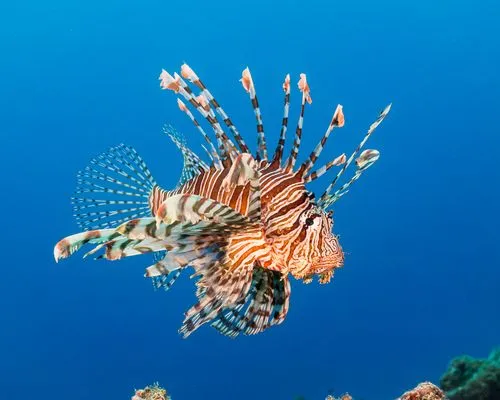
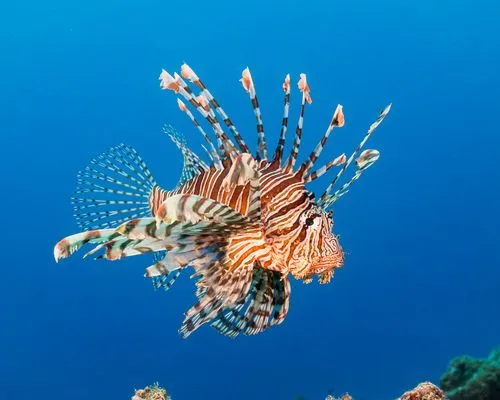
But many species differ precisely in such details. An example from the MarineDex: the lionfish and the devil firefish look so alike that they are hard to tell apart with the naked eye. Differences show up in the number of fin rays, among other things. An illustration that draws one ray too many here is misleading.
On top of that comes what happens to colors underwater. With increasing depth, the water swallows red first, then orange and yellow. A fish that is bright red in the illustration looks more brownish at depth without a light. Juveniles often look completely different from adults, and in some species males and females differ clearly. A single image can’t capture all of that.
Why We Label Them
An image that looks like a photo is also read like a photo. Anyone who mistakes an illustration for a real photo trusts it more than it deserves – and, when in doubt, identifies the wrong species.
The “AI illustration” label therefore says openly what you are looking at. It appears on every animal and spot image, in the app just as on this website.
What Counts Instead: Your Own Photos
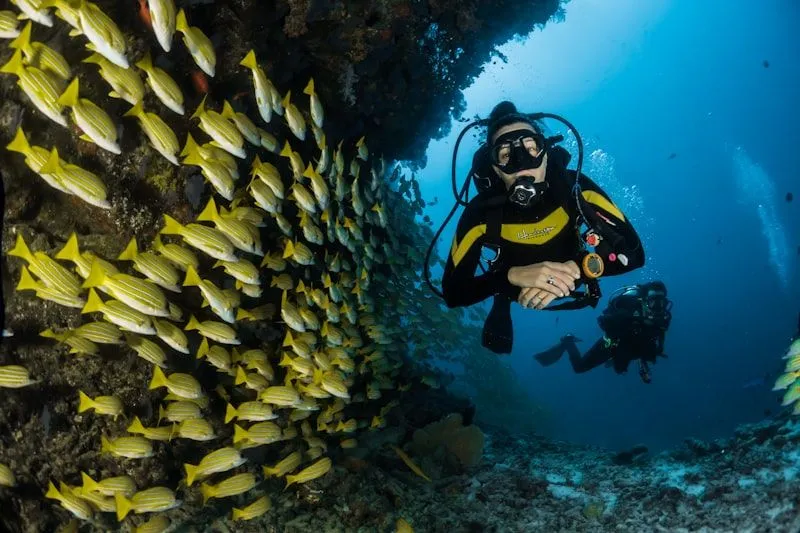
For your MarineDex, your own pictures are what matter. You attach them to the dive and to the species – and with that lift the species to the “Photographed” level. In the species profile you then see, next to the illustration, the photos from your own dives.
If you aren’t sure which species you saw:
- Ask your dive guide after the dive – with your photo as a reference.
- Compare with an identification guide for your region.
- Pay attention to the details in the species profile, such as size and typical depth. An animal listed there at 15 centimeters was probably not the meter-long fish in front of your mask.
And Identification by Photo?
Identifying species by photo is in the works and planned for version 2: upload a photo, check the matches, verify the species. Even then, the suggestion remains an aid and not a scientific identification. The final say is yours – and, when in doubt, that of someone who really knows the species.
To learn more about what is behind levels like “Photographed” and “Verified”, read Common to Legendary: How Rarity Works.